Most car owners in Spring know that washing their car keeps it clean, but detailing is a different animal. A regular wash removes surface dirt and dust. Detailing addresses what a wash misses: oxidized paint, embedded brake dust, tar, tree sap, mineral deposits in the water spots, and interior grime that settles into fabric and leather. The question of how often to detail depends on where you drive, what weather hits your car, and how long you want the paint to last before it needs expensive work.
What Detailing Actually Protects
Your car's paint is under constant attack in the Houston area. The sun's UV rays break down the clear coat. Spring's humidity and heat accelerate oxidation. Road salt from occasional winter treatments, brake dust from normal driving, and acidic tree sap all etch into the finish if they sit long enough. A detail removes these contaminants and applies protection, whether that's a wax, sealant, or ceramic coating. Without detailing, your paint oxidizes faster, and by the time you notice it, you're looking at paint correction work that costs thousands of dollars.
Every Three to Six Months for Most Drivers
If you drive your car daily in Spring and park it outside most of the time, aim for detailing every three to four months. This schedule keeps your paint protected year-round and prevents the buildup that requires more aggressive correction later. You'll notice the difference: the paint will have a deeper shine, water will bead up and roll off instead of spotting, and the clear coat won't look dull or hazy.
If you have a garage and drive less often, or if you're meticulous about hand washing between details, you can stretch it to six months. But if your car sits in the sun all day at work or you park under trees, three months is more realistic.
The Case for Twice a Year Minimum
Even if you're on a tight budget, getting your car detailed at least twice a year makes financial sense. Spring's pollen season and summer heat are hard on paint. Fall and winter bring different challenges, including potential road salt exposure. Two details a year, spaced roughly six months apart, keep your paint in decent shape without requiring expensive restoration work down the line.
Think of it this way: a detail costs a few hundred dollars. Repainting a panel or doing paint correction on half your car costs ten times that. The math favors prevention.
Factors That Push You Toward More Frequent Detailing
Some situations demand detailing more often. If you park under trees, you're dealing with sap, bird droppings, and pollen accumulation. These should be removed quickly because they bond to the paint and cause permanent damage if left for weeks. Monthly or six-week details make sense if you're in a heavily wooded area of Spring.
If you have a newer car with a ceramic coating, you still need regular detailing, but the coating itself lasts longer between applications. Some owners with high-end coatings detail every six to eight months and get away with it because the coating is doing the heavy lifting.
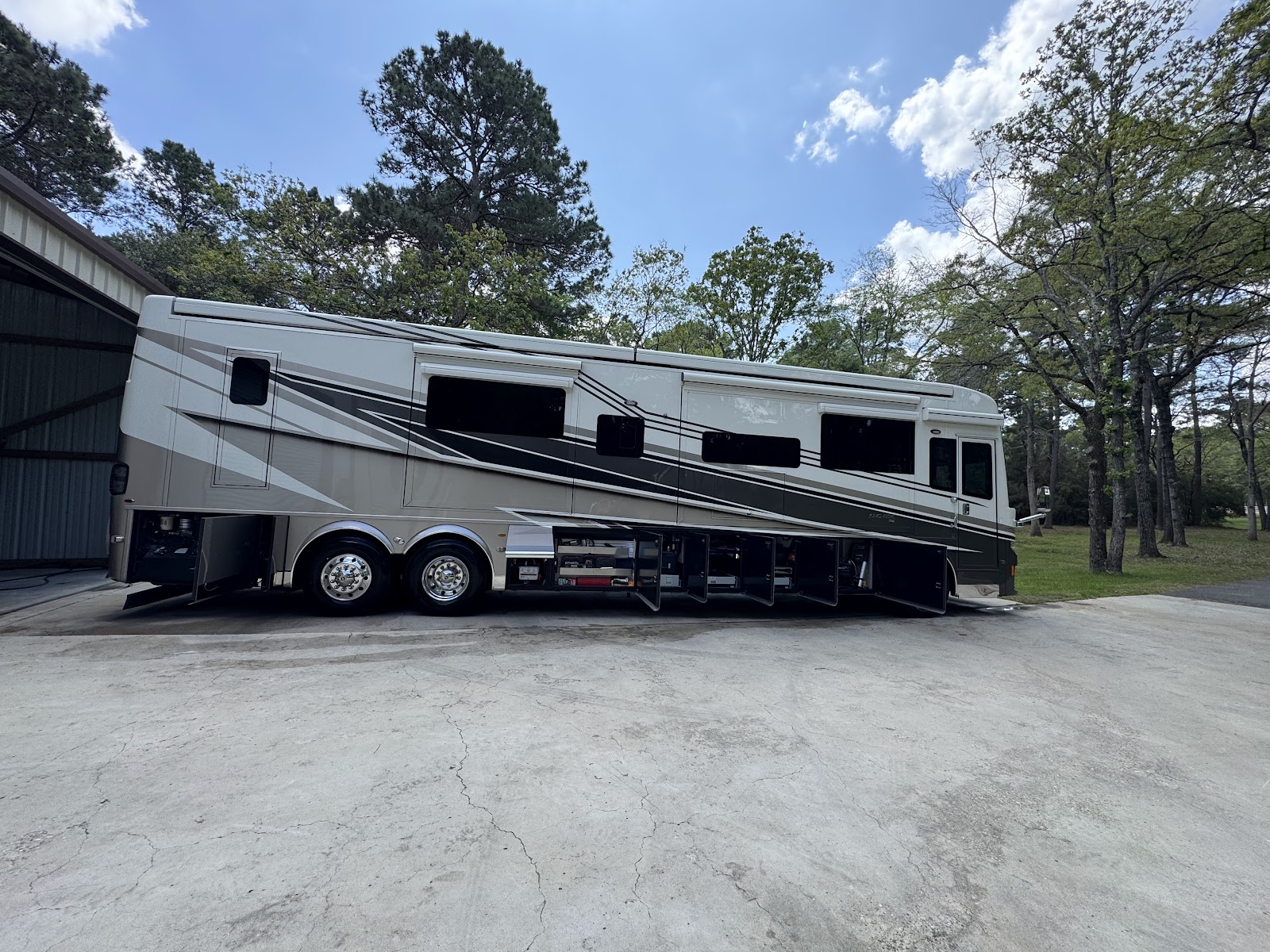
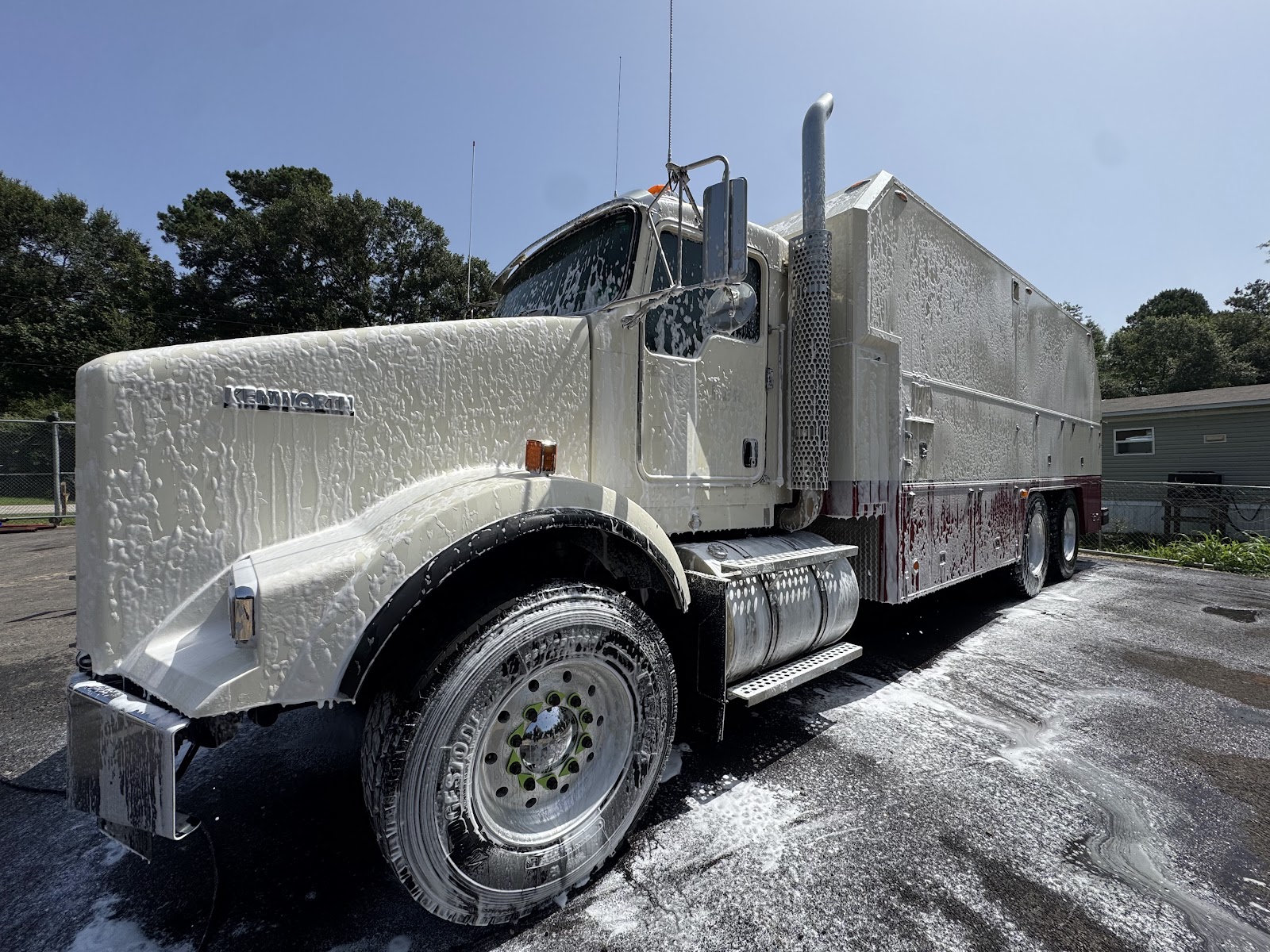
If you use your truck for work, haul equipment, or spend time on job sites, detailing every two to three months protects an investment that takes a beating. The same goes for cars used for rideshare or delivery.
Interior Detailing on Its Own Schedule
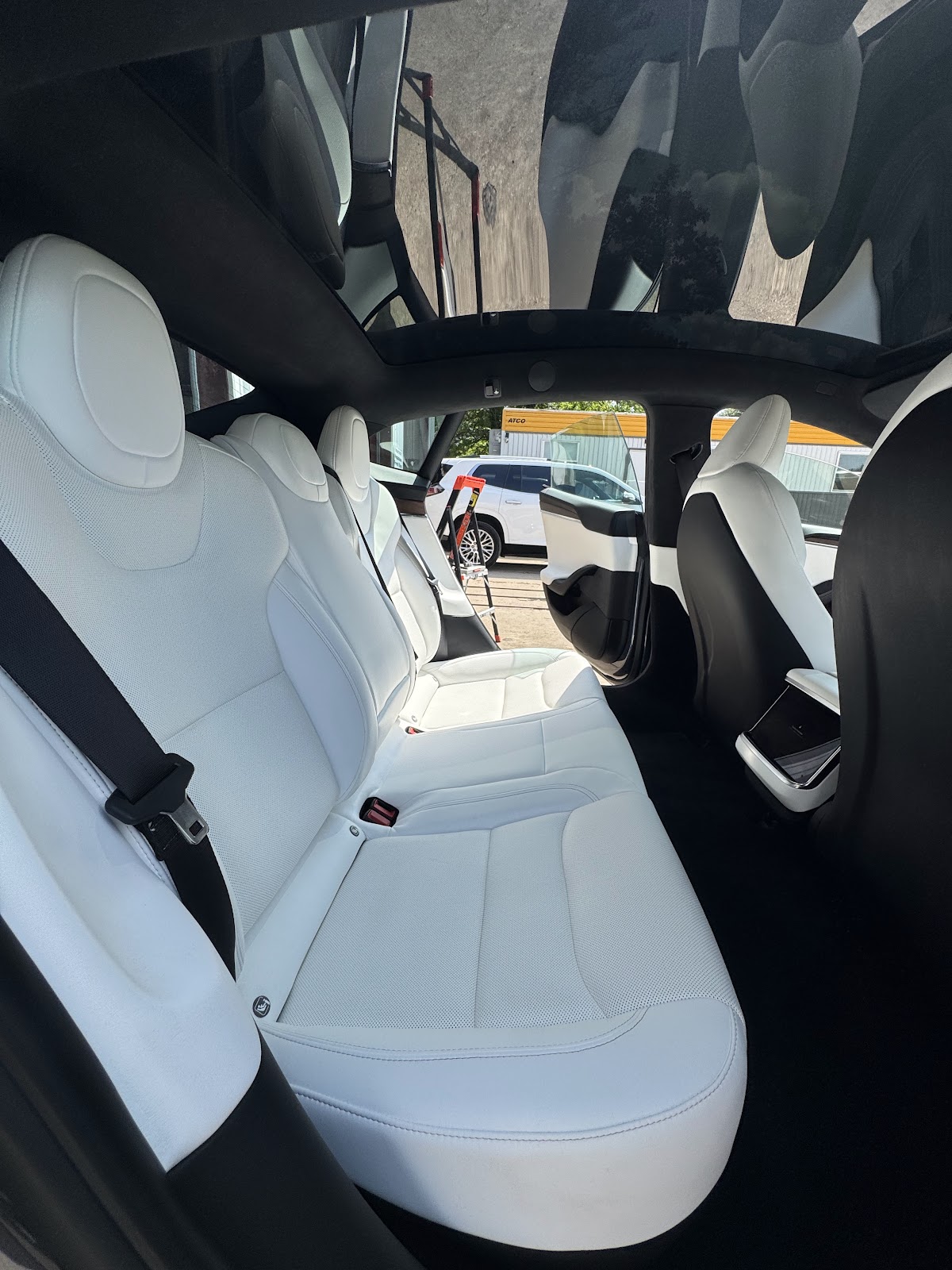
Interior detailing doesn't follow the same timeline as exterior work. Most people benefit from a full interior detail once or twice a year, depending on how much you eat in the car, whether you have kids or pets, and how much dust and debris accumulates in the cabin.
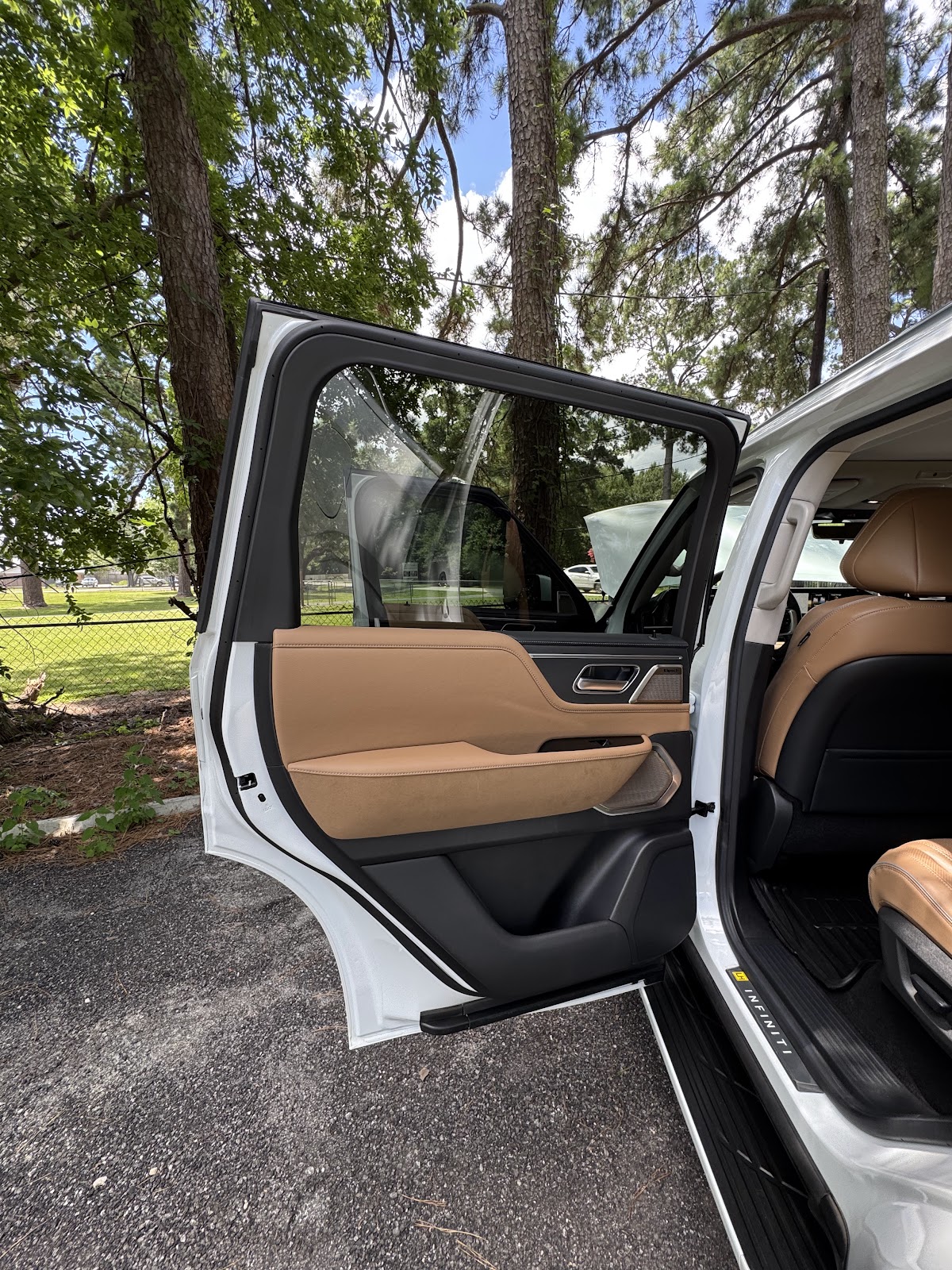
If you're meticulous about vacuuming and wiping down the dashboard, you might stretch it to once a year. If your car is a second office or a family shuttle, twice a year keeps the interior from getting grimy. Leather seats especially benefit from regular cleaning and conditioning to prevent cracking and fading.
What Happens Without Regular Detailing
Skip detailing for a year or two and you'll see the results. The paint looks dull and oxidized. Water doesn't bead up anymore. Swirl marks become more visible. The interior collects dust and grime that regular vacuuming can't reach. When you finally get the car detailed, it takes longer and costs more because the paint needs correction instead of just maintenance. You've also lost resale value. Buyers notice paint condition immediately.
Making a Plan That Works for You
The best detailing schedule is one you'll actually stick to. If you drive daily in Spring's heat and humidity, quarterly details keep your car looking sharp and protect your investment. If you drive less and have a garage, twice a year is reasonable. Talk to the team about what your specific situation calls for. They can assess your paint's current condition and recommend a schedule that fits your budget and your car's needs.
Texas Proper Detailing in Spring understands the local climate and what it does to your car's finish. Call them to set up a detail and discuss a maintenance plan that keeps your paint protected and your car looking good for years to come.