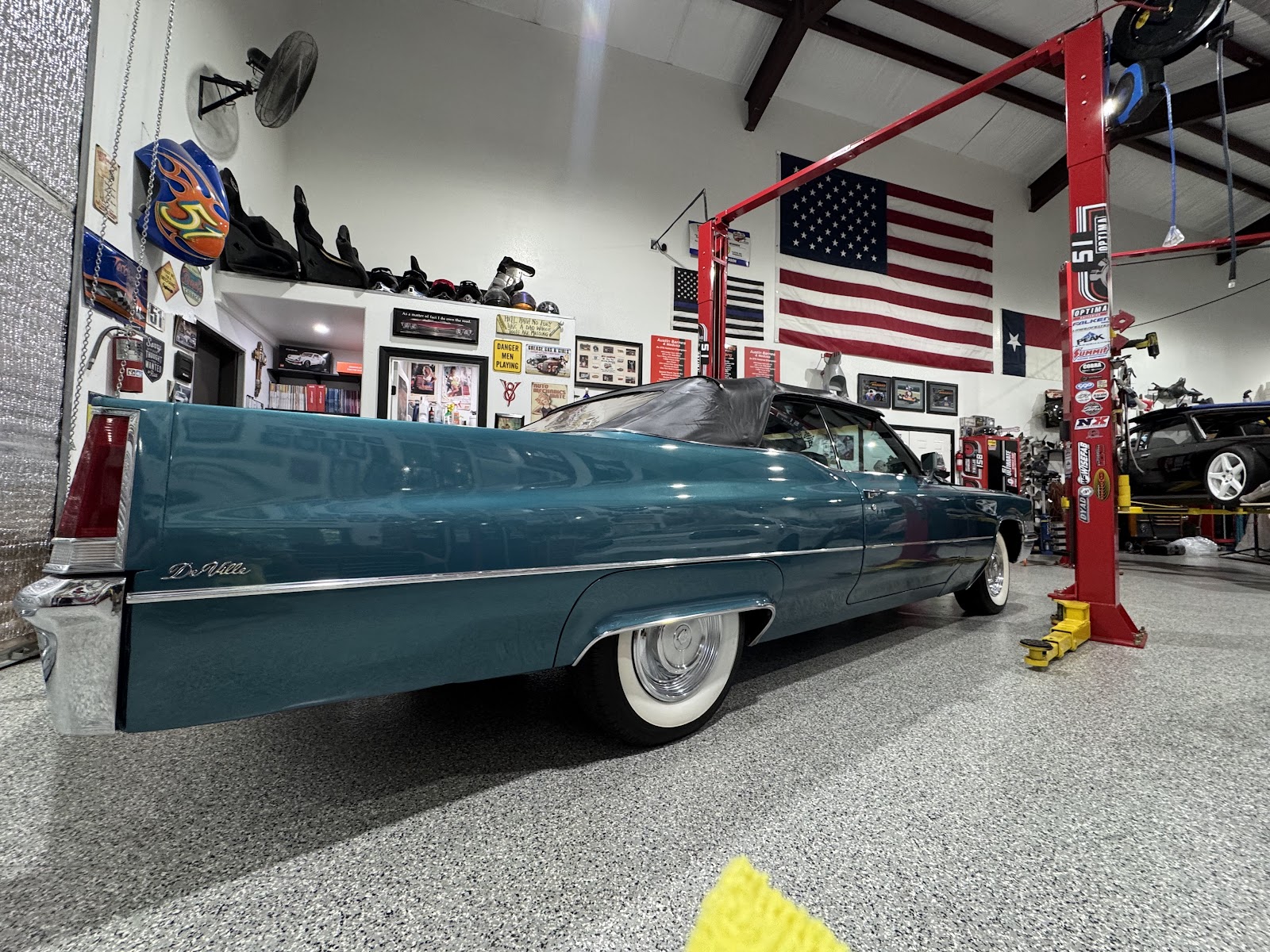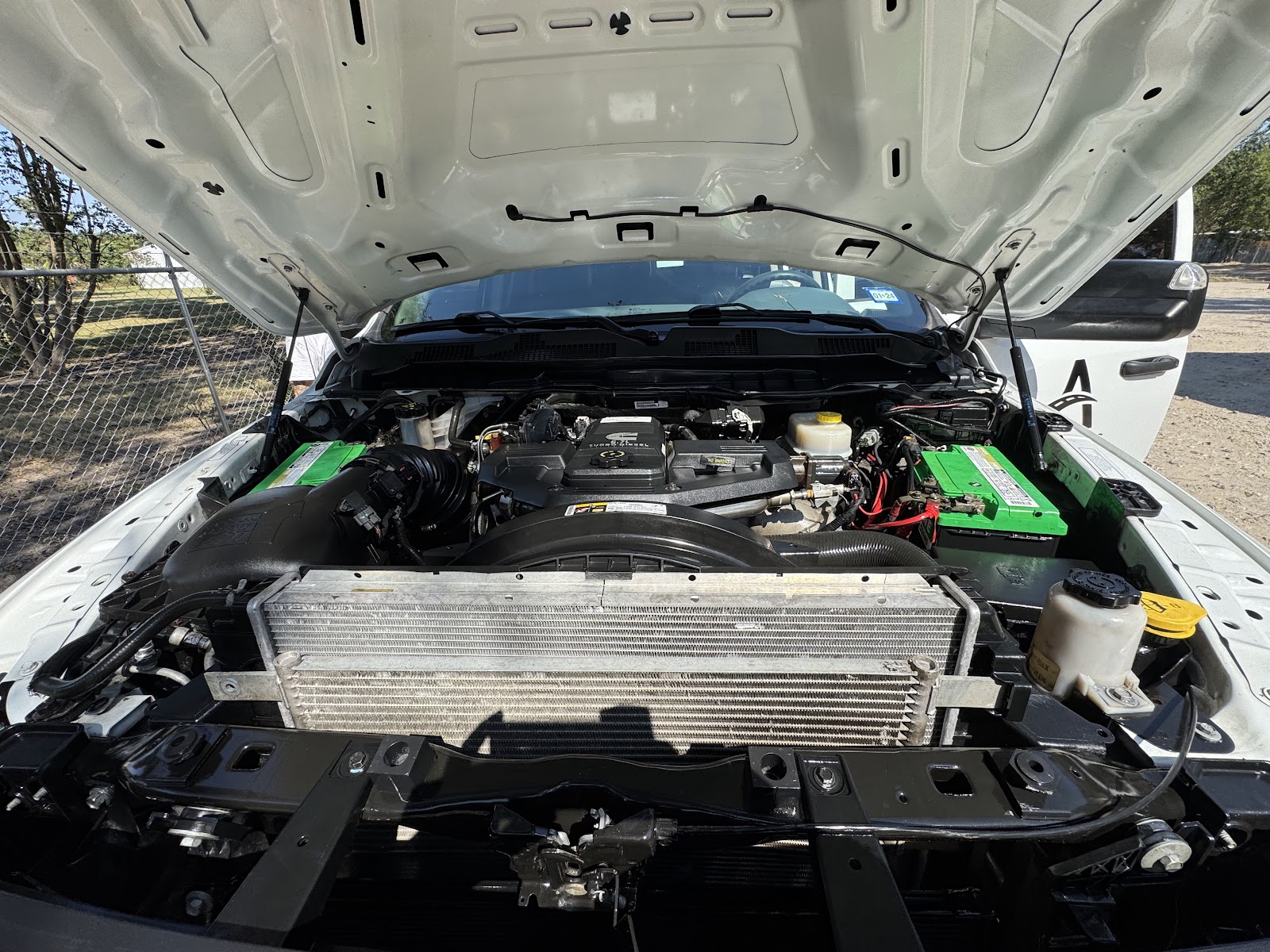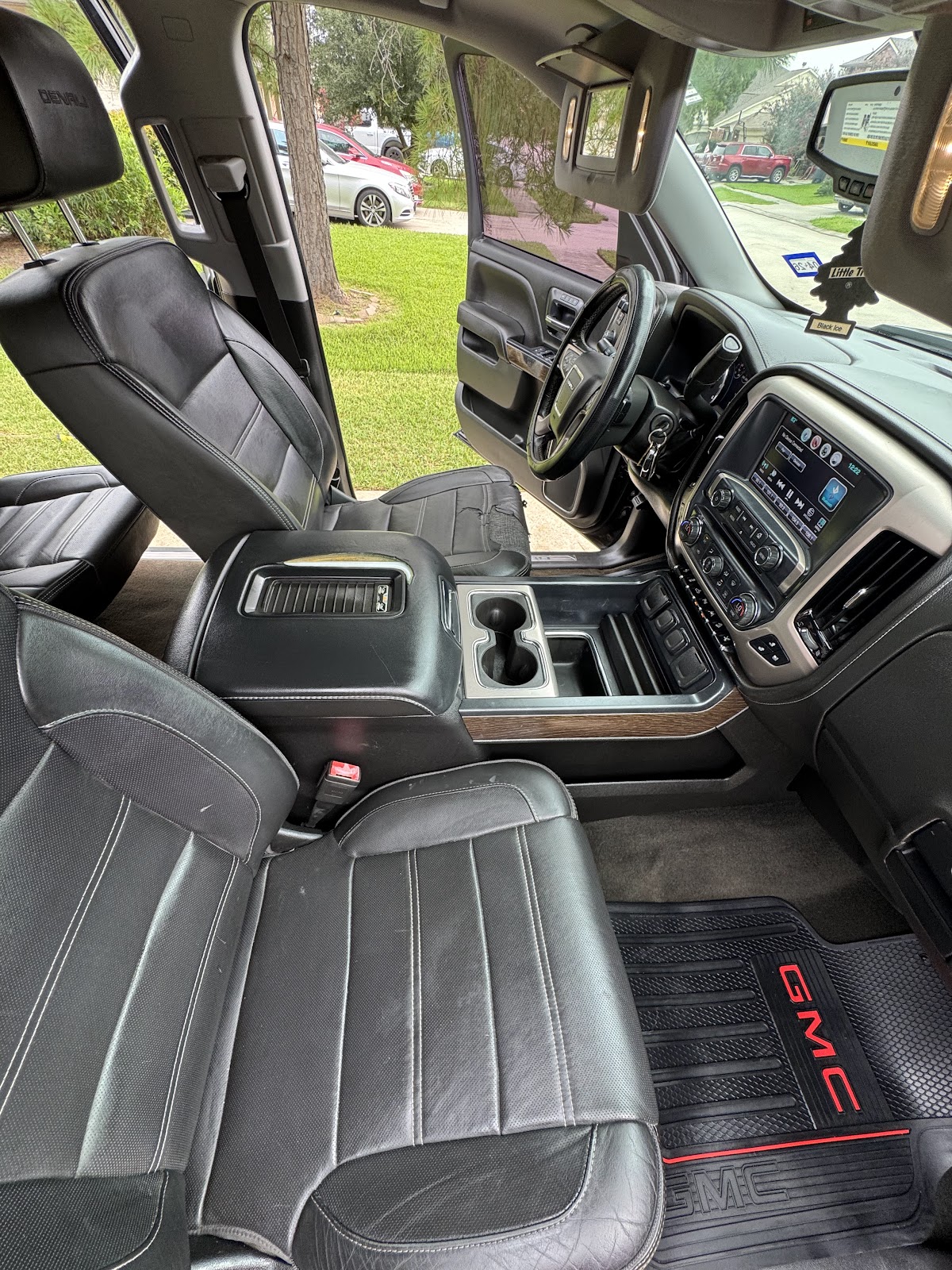
Every spring, pollen covers trucks in Spring like a fine yellow dust. If you don't address it right, that pollen bonds to your clear coat and becomes hard to remove. It can etch the paint if left sitting for weeks. The good news is that pollen season is predictable, and a solid routine beats panic cleaning in June.
Pollen Season in Spring, Texas Runs Longer Than You Think
Pollen season doesn't start and stop on a calendar. In our area, it typically runs from late February through May, with cedar and oak being the worst culprits. Some years it stretches into early June. The pollen count spikes on dry, windy days, especially when the temperature climbs into the 70s. If you park under a tree, you're looking at heavier accumulation. If your truck sits in an open lot, you'll still get hit, just maybe not as fast.
The key is knowing when to wash versus when to wait. Washing your truck during a heavy pollen day is pointless. You'll spend two hours and have pollen on it again by tomorrow. Instead, wash after a rain or on a calm day when pollen counts are lower.
Wash Your Truck More Often, But Keep It Simple
During pollen season, you should wash your truck every 7 to 10 days instead of every 3 to 4 weeks. This prevents pollen from sitting long enough to bond to the clear coat. A basic wash with a two-bucket method is fine. You don't need anything fancy.
Use one bucket for your soapy water and one for rinsing your wash mitt. This keeps dirt out of your soap and reduces swirl marks. A microfiber wash mitt works better than a sponge. Start from the top and work down. Rinse thoroughly with a hose, and dry with a microfiber towel to prevent water spots.
If you have a truck bed cover or tonneau cover, open it up and rinse inside occasionally. Pollen collects on the rails and under the cover. A quick rinse takes five minutes and saves you from tracking yellow dust into your cab.
Clay Bar Treatment Removes What Washing Misses
If you wait too long between washes, pollen bonds to your clear coat. Regular washing won't get it off. This is where a clay bar comes in. It's a rubber-like bar that pulls embedded contaminants from the paint surface without scratching it.
You can buy a clay bar kit at any auto parts store for fifteen to twenty dollars. Spray a section of paint with the clay bar lubricant that comes in the kit, then gently rub the clay bar over the surface. You'll feel it grab and pull debris as it goes. Rinse and dry when you're done. One clay bar can handle your whole truck.
Do this once at the end of pollen season or twice if you really neglected it. It's cheaper and faster than professional detailing, though if you've got heavy buildup, a professional can handle it faster.
Park Smart During Pollen Season
Where you park matters. If you have a garage, use it. That's the best defense. If you don't, park away from trees if possible. Mulberry trees and oaks are pollen factories in the spring. Parking under a carport or covered structure is the next best option.
If you park on the street or in an open lot, there's not much you can do except stick to the wash schedule. Don't park under power lines where trees grow thick. In Spring, the areas around the residential streets near the creek tend to have more trees, so if you have a choice, the open parking lots on the main roads will give you less pollen accumulation.
Consider a Protective Coating After Pollen Season
Once pollen season ends in late May, that's the time to apply a protective coating. A good wax or sealant creates a barrier between your paint and the next season's pollen. It makes future washing easier and helps prevent etching.
You can apply wax yourself with a foam applicator pad and a microfiber cloth. Work in small sections, let it haze over, and buff it off. A quality paste wax lasts about three months. A synthetic sealant lasts longer, sometimes six months. Either one is worth the effort for a truck that sits outside year-round.
When to Call a Professional
If you've let pollen sit for months or you're seeing dull spots and etching on your clear coat, that's the time to bring your truck to a detailer. Professional equipment and compounds can restore clarity that hand washing can't touch. In Spring, most detailers get busy in June and July, so scheduling in May keeps your wait time short.
Texas Proper Detailing can handle pollen damage and set you up with a protective coating that makes next spring easier. If your truck's paint has taken a hit from this season, give us a call and we'll get it looking right again.