Most permanent stains on car seats aren't actually permanent. That's the honest truth. What makes a stain feel permanent is usually that the owner has either tried the wrong method, used the wrong product, or waited too long before treating it. We see this all the time at Texas Proper Detailing. Someone spills coffee or wine, lets it sit for weeks, then assumes the seat is ruined. The good news is that professional detailing can remove or significantly lighten the vast majority of stains, even the stubborn ones that have been there for months.
Understanding What "Permanent" Really Means
When a stain feels permanent, it's usually because it has set into the fabric fibers or has bonded with the material at a molecular level. This happens fastest with organic stains like blood, red wine, or dark sodas. The longer a stain sits, the deeper it penetrates. Heat accelerates this process. If you spill something in your car on a hot Texas day and don't address it for a few days, that stain will grip the fabric much harder than if you'd treated it immediately. But even deeply set stains respond to the right approach. The key is using products and techniques that break down the stain's chemical bond without damaging the seat material itself.
The Difference Between Fabric and Leather Seats
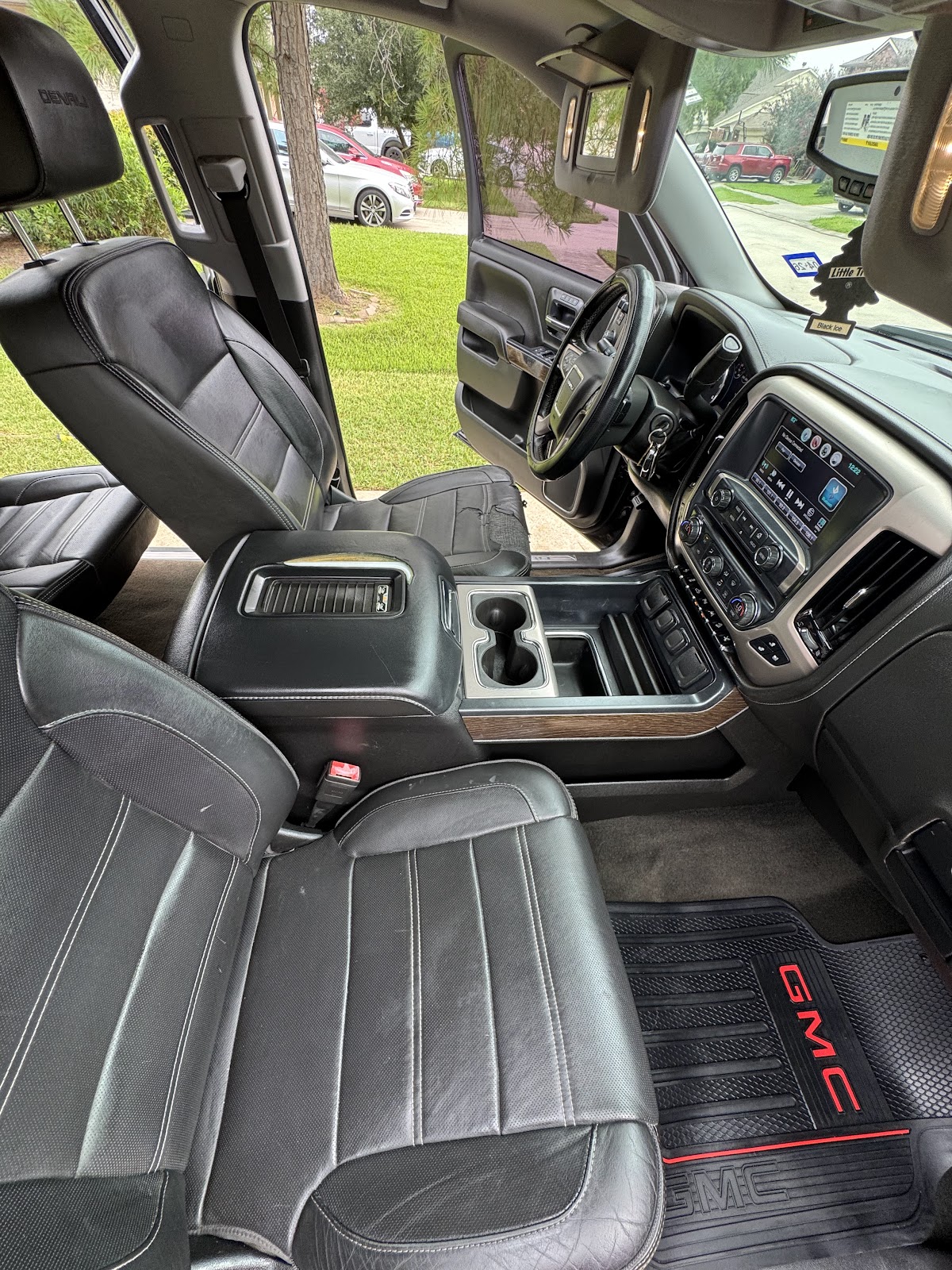
Fabric seats and leather seats require completely different treatment strategies. Fabric is porous and absorbent, so stains soak in quickly, but fabric also holds onto cleaning solutions longer, giving them more time to work. Leather is non-porous and sits on the surface longer, which sounds like an advantage, but leather can be damaged by harsh chemicals or excessive moisture. For fabric seats in Spring, where humidity is high and people track in dirt from summer rain, we typically use enzyme-based cleaners that break down organic compounds. For leather, we use pH-balanced solutions that won't strip the protective finish. The stain removal method depends entirely on what you're sitting on.
Common Stains and What Actually Works
Coffee and tea stains usually respond well to a combination of hot water extraction and an enzymatic cleaner. These stains are tannin-based, so you're breaking down plant compounds. Wine stains, especially red wine, need a different approach. Hydrogen peroxide-based cleaners work better here because they oxidize the pigments that give red wine its color. Grease and oil stains require a solvent-based product that can dissolve the oils without leaving residue. Ink and dye stains, like from a pen or marker, are the toughest because the pigment is designed to be permanent. These sometimes require specialized solvents or even gentle abrasion. Blood stains respond to cold water, not hot, which is counterintuitive to most people. Hot water can set a blood stain permanently. If you've got a stain you can't identify, don't guess at the treatment. That's when people make things worse.
When DIY Doesn't Cut It
The reason many stains feel permanent is that people treat them with whatever they have on hand. Dish soap, vinegar, baking soda, club soda, or generic upholstery cleaners from a big-box store often spread the stain around or push it deeper into the fabric instead of removing it. You might see the stain lighten temporarily, then reappear darker a few days later. That's because the stain wasn't actually removed. The cleaning solution just suspended it, and as the moisture evaporated, the stain particles migrated back to the surface. Professional detailing uses extraction equipment that pulls moisture and dissolved stain particles out of the fabric completely, rather than just moving them around. We also have access to professional-grade cleaning solutions that are formulated to target specific stain types without harming the seat material. For most people in Spring, a single DIY attempt is worth trying if the stain is fresh. But if it's been there more than a week or if your first attempt didn't work, professional help will save you from accidentally setting the stain permanently.
Prevention and Maintenance
The best stain is the one you prevent. Use seat covers if you eat or drink in your car regularly. Keep paper towels or a microfiber cloth in your vehicle so you can blot spills immediately. Blotting is crucial. Don't rub. Rubbing works the stain deeper into the fibers. If you do spill something, blot it up, then rinse the area with cool water and blot again. Let it air dry. This simple three-step process prevents most fresh spills from becoming stains. For regular maintenance, vacuum your seats weekly and have them professionally cleaned once or twice a year depending on how much you use your vehicle. Regular cleaning prevents dirt from becoming ground-in grime that looks like permanent discoloration.
If you've got a stain on your car seats that won't budge, Texas Proper Detailing can help. We handle everything from fresh spills to years-old stains that you thought were permanent. Give us a call and describe what you're dealing with. We'll let you know what's possible and get your seats looking clean again.