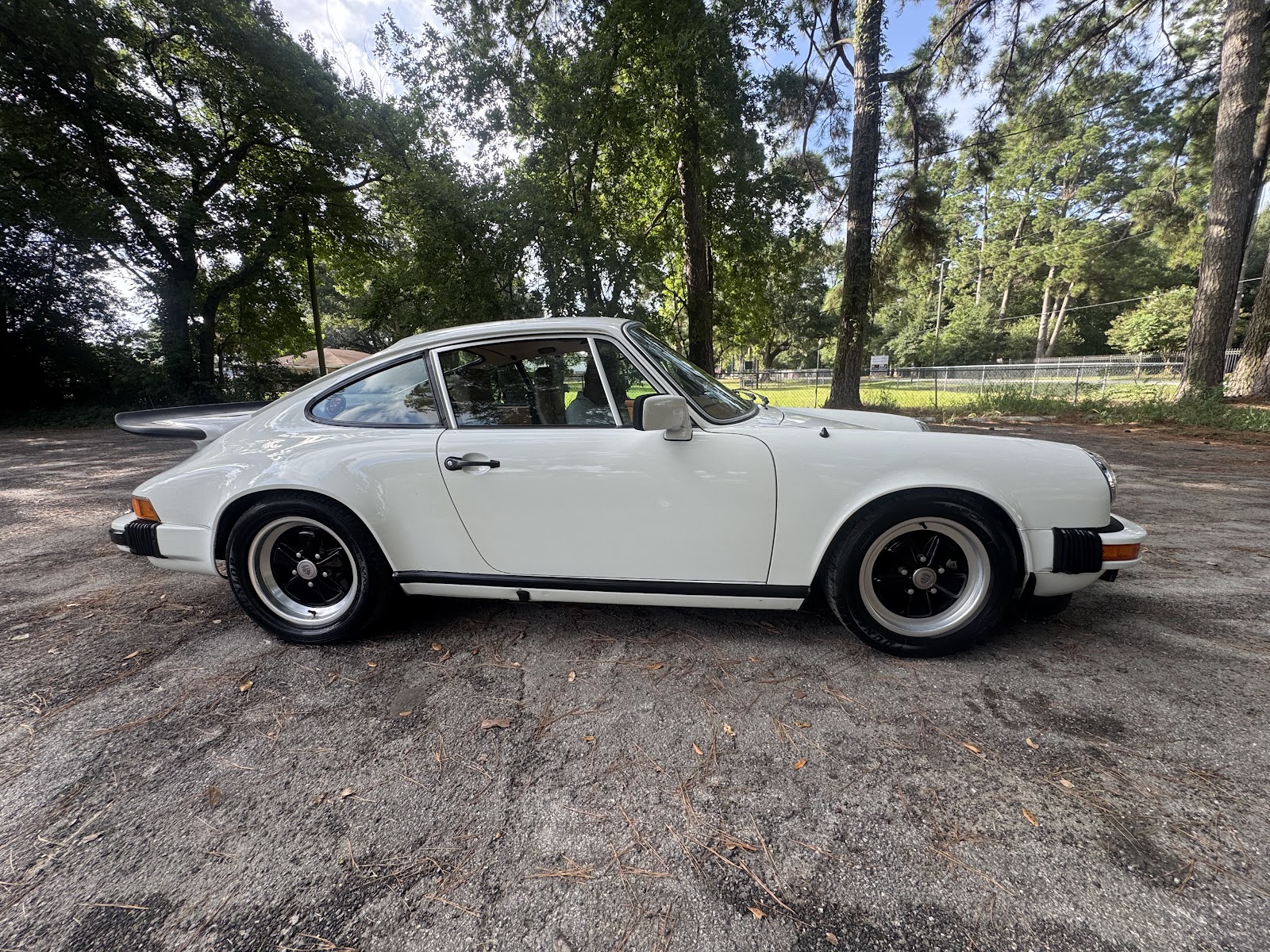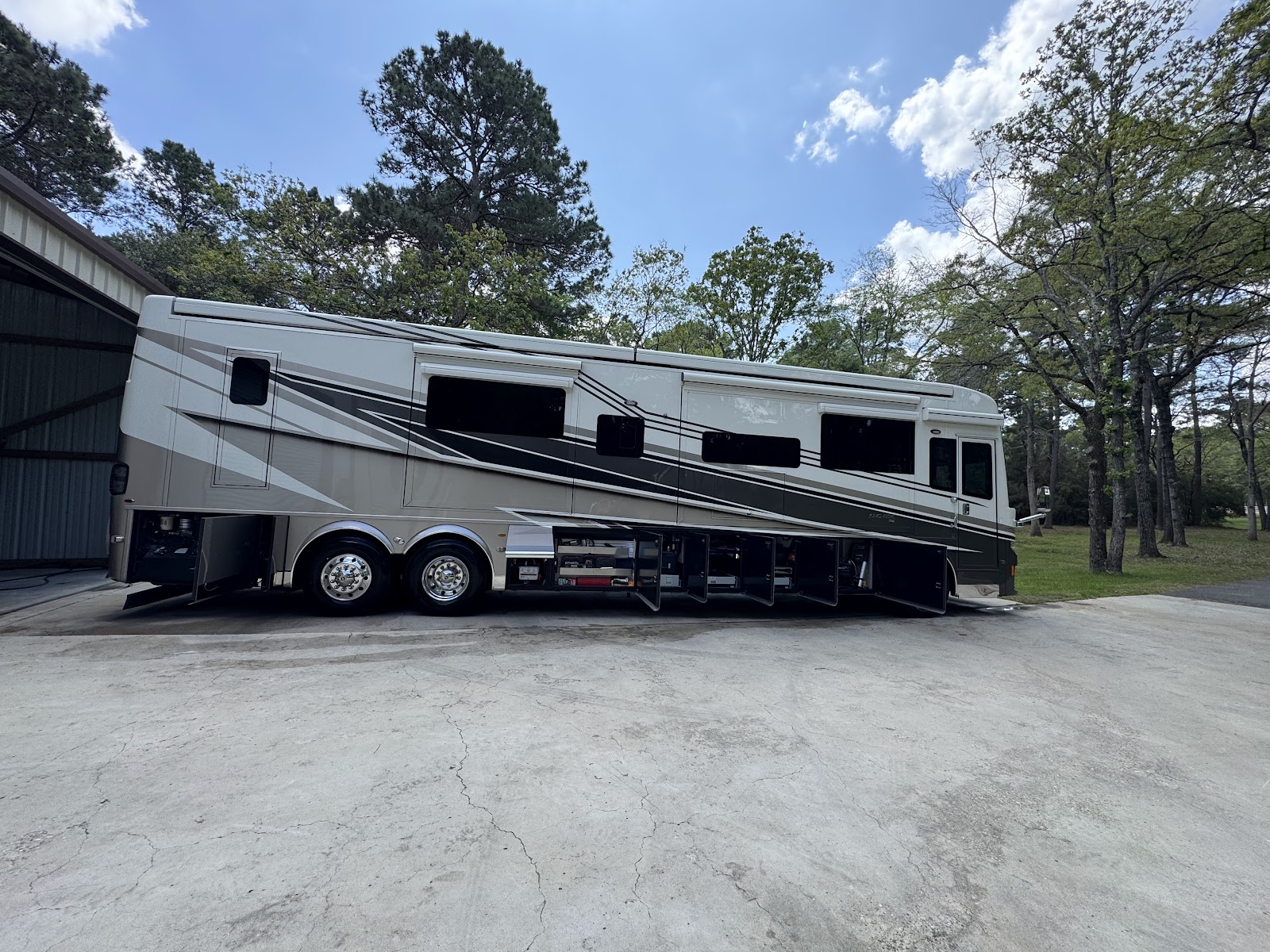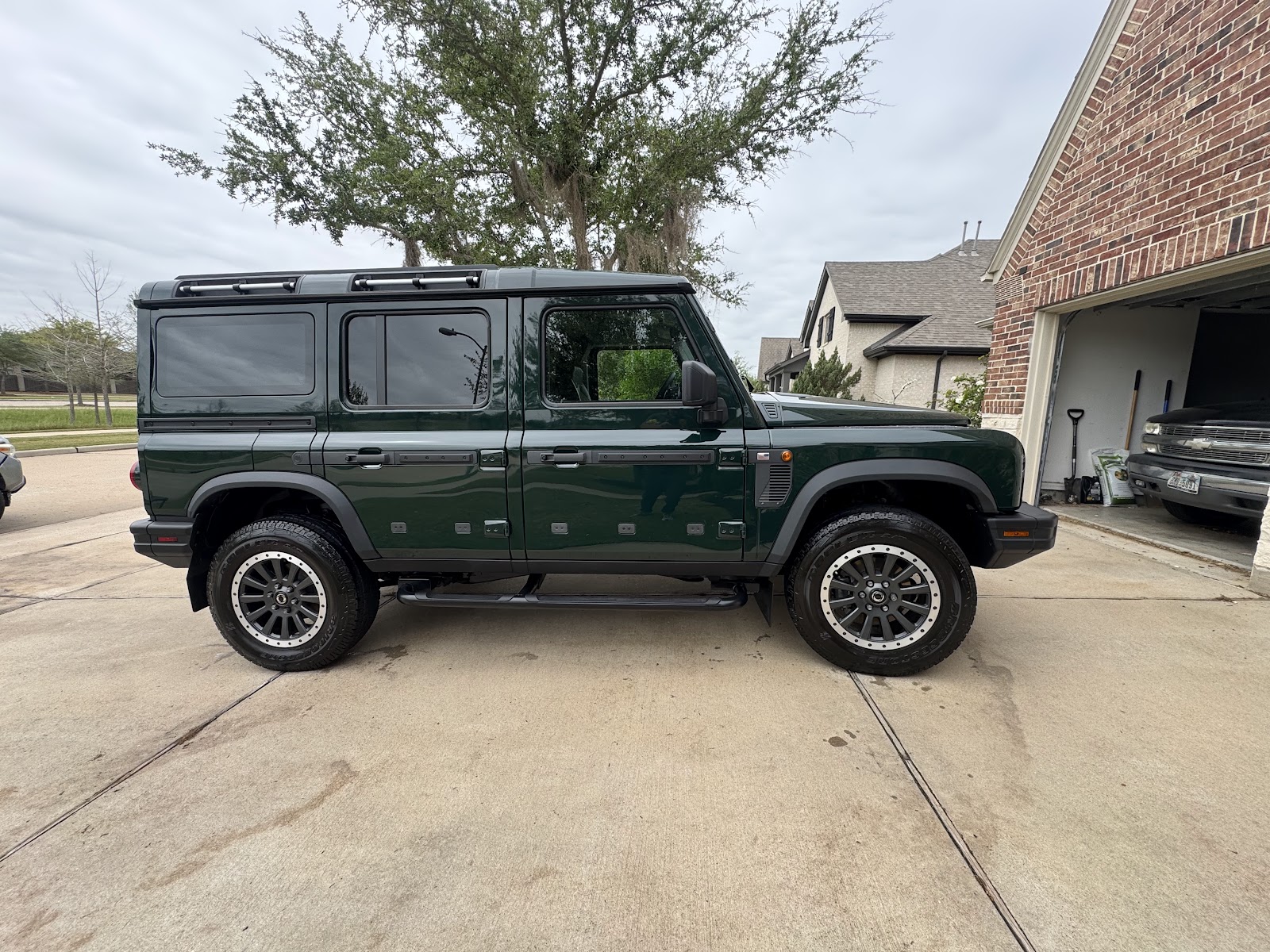
When your car's paint stops beading water, it's usually not a mystery. The slick protective layer that makes water bead up and roll off is either worn down or covered in contamination. This happens to every car eventually, and it means your paint is losing its defense against the elements. Spring's heat, humidity, and sun exposure speed up the process. You can still see it happening: water spreads flat across the hood instead of forming little balls, and dirt sticks around longer than it should. The good news is this is fixable, and understanding why it happens helps you know what to do about it.
The Clear Coat Is Your Water-Beading Layer
Your car's paint system has multiple layers. Under the color coat sits the clear coat, which is what actually makes water bead. This clear coat is what gives modern paint that gloss and protection. When it's fresh and intact, water molecules don't want to stick to it, so they bunch up into beads and roll away. That's hydrophobic behavior, and it's built into the clear coat's chemistry. Over time, UV rays, oxidation, and contamination break down that clear coat. Once it starts degrading, water no longer beads. Instead, it spreads out flat, which means it's sitting on your paint longer and exposing it to more risk.
Sun and Heat Damage Is the Primary Culprit
In Spring, we get sun exposure that's relentless. UV rays don't just fade paint. They actually break the molecular bonds in your clear coat. This happens gradually, but it compounds over months and years. If your car spends most of its time outside without a cover, the clear coat degrades faster. Heat makes this worse. When your paint gets hot in the afternoon sun, the clear coat becomes more vulnerable to damage. Add in the humidity we get here in Southeast Texas, and you have moisture trying to work its way under the clear coat at the same time the sun is breaking it down. That's why older cars parked outdoors year-round often lose their beading first on the roof and hood.
Contamination Blocks the Protective Surface
Sometimes water won't bead because something is sitting on top of the clear coat, not because the clear coat itself is damaged. Road film, tree sap, industrial fallout, bird droppings, and brake dust all accumulate on your paint. Even after a regular wash, a thin layer of contamination can remain. This builds up over weeks and months. Once it's thick enough, water can't reach the slick clear coat surface anymore. It hits the contamination layer instead and spreads out. A regular car wash won't remove this. You need a clay bar treatment or a chemical decontamination to strip it away. After that's done, water beads again, at least for a while.
How to Tell the Difference Between Damage and Buildup
The distinction matters because the fix is different. If contamination is the problem, a good wash and clay bar treatment will restore beading within a few hours. Your paint will look sharper too. If the clear coat itself is degraded, contamination removal helps, but the beading won't last as long because the underlying surface is already compromised. You can test this yourself. Wash your car thoroughly, then clay it. Dry it completely and spray a little water on a panel. If water beads nicely, you had a contamination problem. If water still spreads flat, your clear coat is damaged. In that case, you're looking at a paint correction or sealant application to restore protection.
Sealants and Coatings Restore Beading and Add Time
Once you've cleaned the paint, a good sealant or ceramic coating brings back water beading and extends the life of your clear coat. A sealant is a protective layer that bonds to your clear coat. It's hydrophobic, so water beads on it instead of on your paint. This buys you time. A sealant typically lasts three to six months depending on how often you wash and how much sun exposure the car gets. A ceramic coating is more durable, lasting a year or more. Both options keep water from sitting on your paint and letting contaminants stick around. In Spring's climate, where sun and humidity are constant, having that extra layer of protection makes a real difference.
What You Can Do Right Now
Start with a thorough wash and clay bar treatment. Do this yourself or have it done professionally. Then dry the car completely and test the water beading on a few panels. If beading comes back, you're in good shape for the next few months. If it doesn't, a sealant application will restore it. Either way, commit to regular washing every two weeks. This prevents contamination from building up again and keeps whatever protection you have working longer. Park in shade when you can. Use a car cover if the vehicle sits unused for long stretches.
Texas Proper Detailing in Spring handles this work regularly. If your paint has lost its beading and you want to get it back, call us and we'll assess what's going on and get your paint protected again.