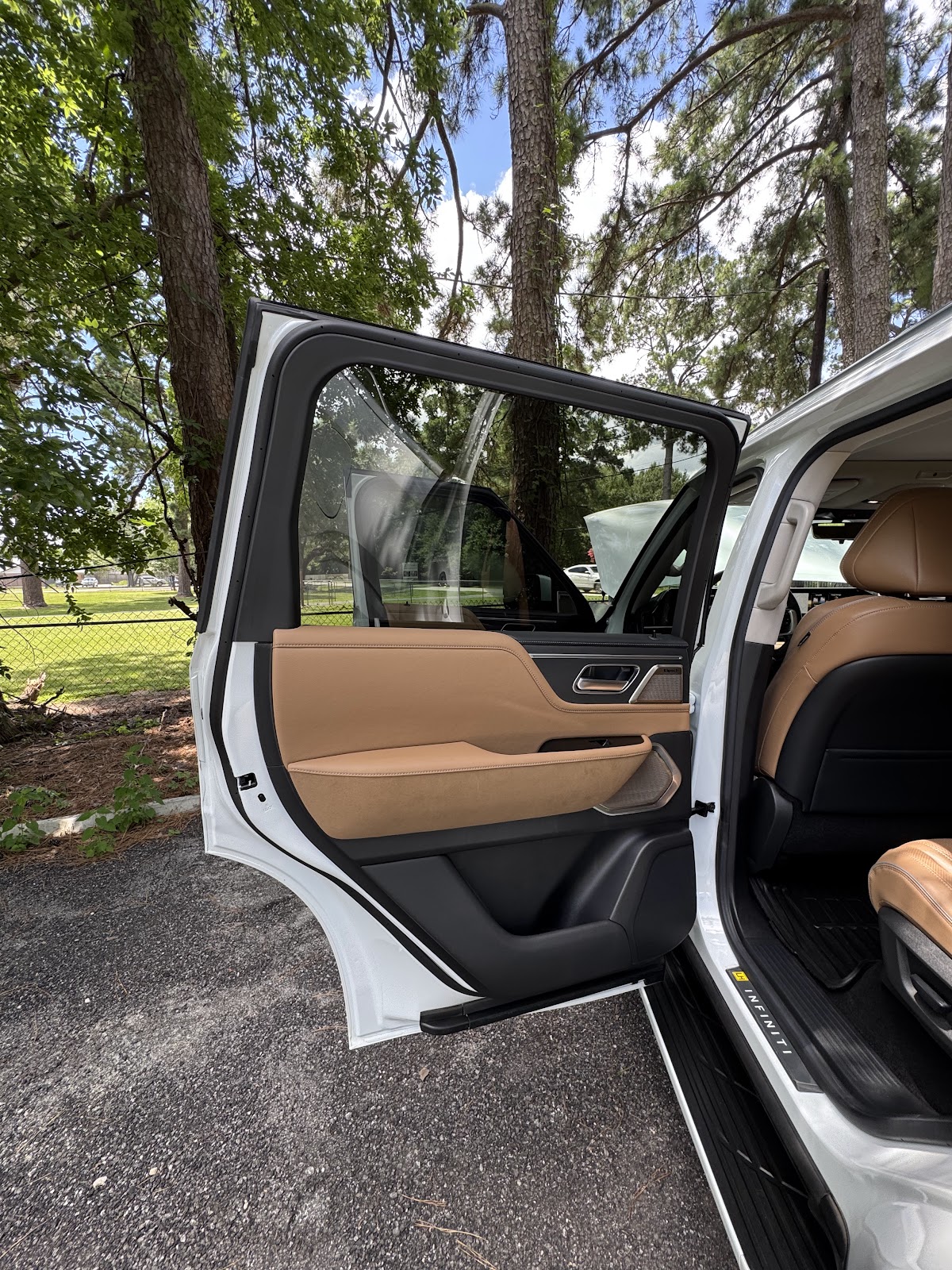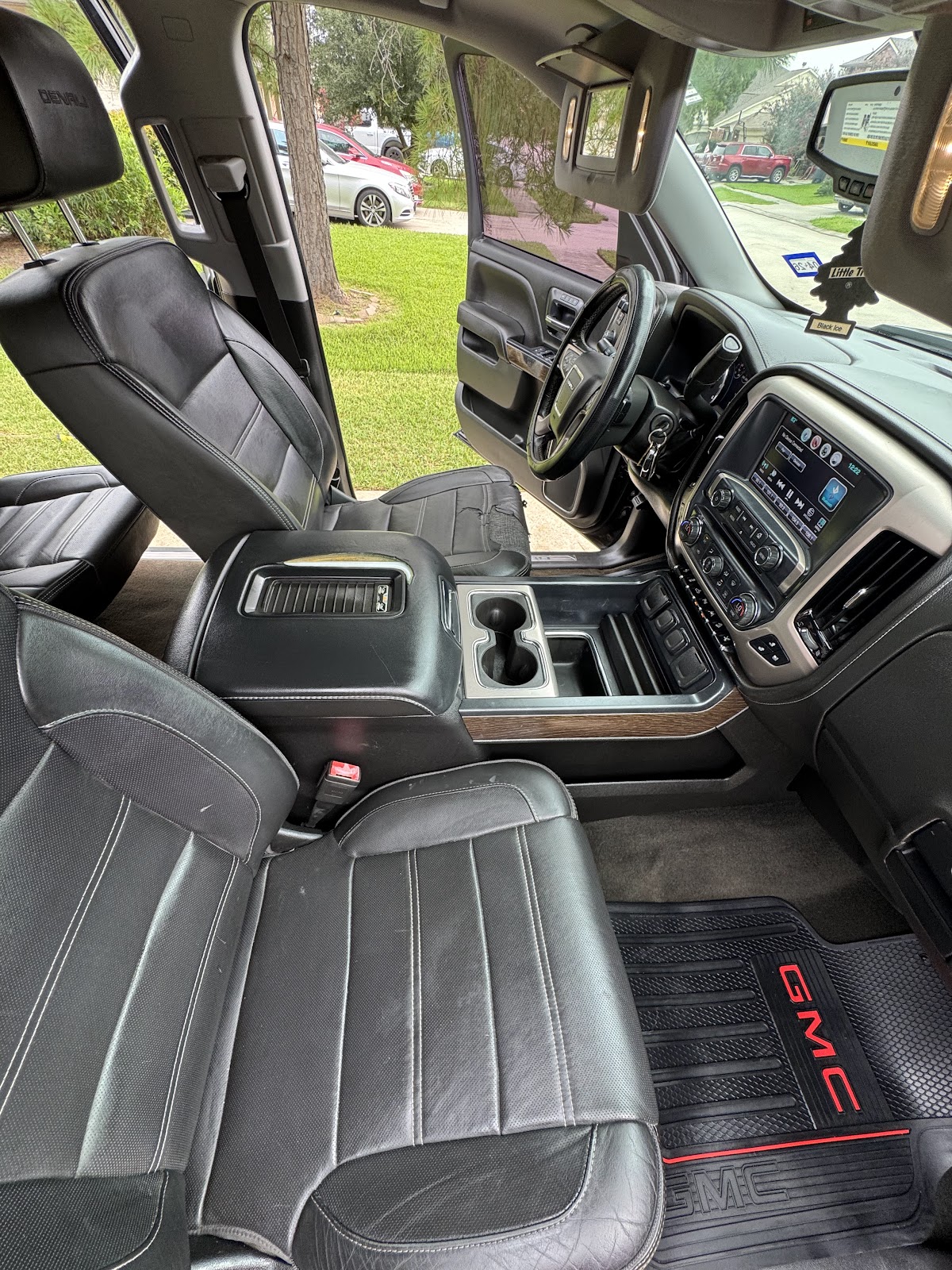
Black plastic trim on your car—bumpers, door handles, trim pieces around the windows—starts out looking sharp. Then after a year or two in the Texas sun, it turns gray and chalky. It looks like your car is aging faster than it should. This happens to every vehicle in our climate, and it's not because you're not washing your car. The sun's UV rays break down the protective coating on plastic, and once that's gone, oxidation takes over. The good news is you can bring that trim back to black, and there are ways to keep it looking good longer.
Why the Sun Does This to Plastic
The plastic used on car trim isn't like the plastic in your kitchen. It's engineered to be flexible and hold up to temperature swings, but it's not immune to UV damage. Here in Spring, we get intense sun year-round, and that constant exposure breaks the polymer bonds in the plastic. The trim starts to look faded and dull, then it gets that chalky gray appearance. If you run your hand over it, you can feel the degradation. That gray film is oxidation, and it keeps getting worse the longer you leave it untreated.
The DIY Approach and Its Limits
A lot of people try to fix this themselves with trim restorer products from the auto parts store. Some of those actually work okay for a few weeks. You apply them, the plastic looks black again, and you feel like you've solved the problem. But most of those products are just oils and solvents that sit on top of the plastic. They wash off in a few car washes, especially if you're using a pressure washer or taking your car through an automatic wash. You end up reapplying every month or so, which gets expensive and time-consuming.
The better DIY option is to actually clean and prep the plastic first. Use a clay bar or fine-grit sandpaper, very gently, to remove the oxidized layer. Then apply a UV-protective sealant made for plastic trim. This will last longer than the quick-fix products, but it still requires regular maintenance and the results won't look as deep or as professional as a proper detailing treatment.
Professional Restoration Makes a Real Difference
When we restore trim at Texas Proper Detailing, we start by assessing how far the oxidation has gone. If it's early-stage graying, we can often bring it back with a multi-step process: cleaning with specialized trim cleaners, light abrasion to remove the oxidized layer, and then application of a professional-grade protective coating. The coating we use is designed to bond to the plastic and provide UV protection that lasts months, not weeks.
For trim that's heavily oxidized or has been neglected for years, we sometimes need to be more aggressive with the restoration. We use safe abrasive techniques that remove the damaged layer without harming the plastic underneath. The result is trim that looks genuinely black again, not just temporarily darkened. The depth of color you get from a professional treatment is noticeably different from what you can achieve at home.
Keeping Your Trim Black Year-Round
Once your trim is restored, the maintenance matters. This is where a lot of people fall short. You can't just assume it will stay black forever. In our Texas heat and sun, that protective coating will degrade over time. A good routine is to have your trim sealed or treated every six months to a year, depending on how much your car sits in the sun and how often you're washing it. If your car lives in a garage most of the time, you'll get longer life out of the coating. If it's parked outside all day, you'll need more frequent touch-ups.
Regular washing helps too. Use a soft brush or microfiber cloth on the trim, and avoid harsh chemicals or high-pressure water directed at the seams where the trim meets the body. The more carefully you treat it, the longer your coating will hold up.
Why This Matters for Your Car's Value
Black trim that's turned gray makes your whole car look older and less maintained, even if everything else is in good shape. Buyers notice it. If you're thinking about selling or trading in your vehicle, having crisp black trim makes a real difference in the first impression. It's one of those details that costs relatively little to fix but pays off in how your car is perceived.
The gray trim problem is common enough in Spring that most people see it as normal. But it doesn't have to be. Whether you're dealing with trim that's just starting to dull or plastic that's been gray for years, getting it restored and properly protected is straightforward.
If your black trim has faded to gray, give Texas Proper Detailing a call. We can restore it to look new again and set you up with a maintenance plan that keeps it looking sharp.